



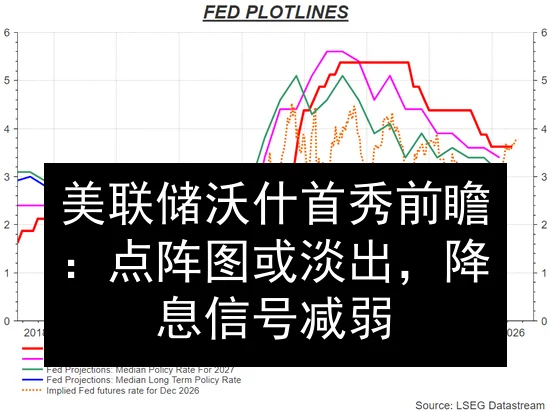
Fed Chair Warsh's debut: the dot plot may fade as rate-cut signals weaken
The Federal Reserve's quarterly dot plot may soon lose its last dovish signal, the so-called 'soft dot', and even the chart itself could be scrapped. If that happens, markets will have to decide whether new Fed Chair Kevin Warsh is really the inflation hawk he has claimed to be.
The new Fed chief is busy setting out his position and taking staff briefings ahead of his first policy meeting later this month. Any guidance he gets from the policy path is unlikely to produce a simple answer.
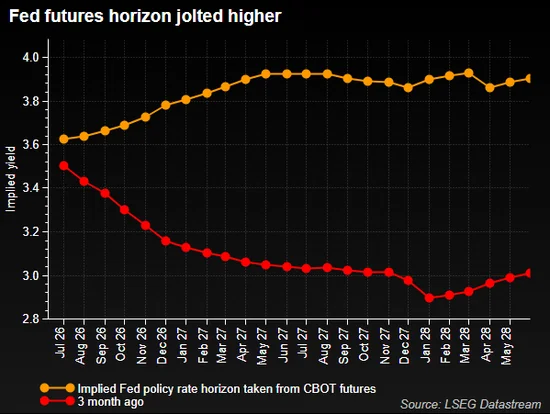
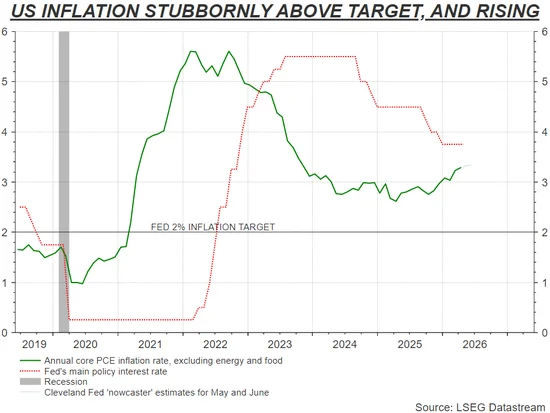
Explosive growth in artificial intelligence (AI) investment, together with the surge in energy prices caused by the three-month Iran war, has pushed inflation far above target. Combined with shifts inside the Federal Open Market Committee (FOMC), futures-market sentiment has turned nervous, with traders expecting the next Fed rate hike could come before year-end.
In recent months, one of the few remaining dovish arguments has been that the labor market — the other side of the Fed's dual mandate — could begin to crack, perhaps worsened by AI-related layoffs or energy-related production cuts. But there is little sign of that right now.
Instead, there are signs that the jobs market appears strong and may even be improving. April job openings jumped sharply, and May private payrolls rose by 122,000, above expectations, both pointing in that direction. The May national nonfarm payrolls report will be released on Friday and will test this trend.
The Fed will not hike this month, but it may lay the groundwork for one.
Beyond any signals Warsh gives at the press conference, markets will also watch closely for whether hints in the Fed's previous statement about another rate cut are removed. At the last rate meeting, three governors voted to delete that wording, and since then at least one recently dovish governor, Waller, has joined them.
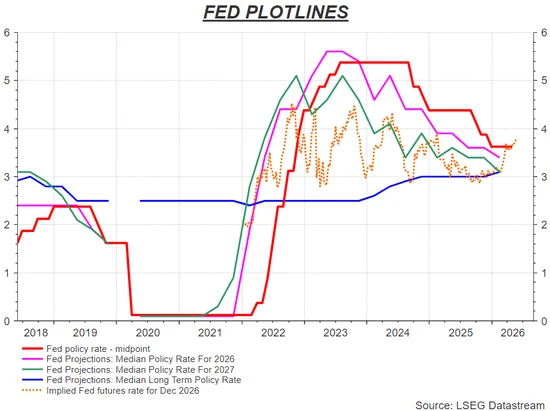
But the quarterly economic projections, including the dot plot that forecasts the path of rates over the coming years, may become the focus.
The current median forecast calls for one more rate cut this year and another in 2027.
Since March, Fed officials' comments suggest the expectation of a cut this year will likely disappear from the dot plot. Whether 2027 cuts also disappear, or whether hikes appear as markets expect, could be the biggest shock to markets.
Ironically, Warsh's dislike of forward guidance could push him to abolish the dot plot altogether. He would have many supporters if he did, including his predecessor Powell, who still serves as a Fed governor.
If policymakers rule out further easing, stop providing guidance and let markets interpret the newly released data for themselves, the second-half rate market could become even tighter and more volatile.
Of course, some investors still hope the Iran war will eventually end, bringing easing back onto the table, or that the squeeze on real incomes from energy prices will be enough to curb household demand and contain other prices.
But many others think the tide has already turned.
The rate-cut plan comes to a sudden stop
SGH Macro economist Tim Duy says the inflationary impact of higher energy prices now outweighs the effect on growth, and as the Fed begins to realize that December's last rate cut was a mistake, positions within the FOMC are rapidly shifting hawkish.
'Fed officials realize the risk of inappropriate monetary policy is rising; they are quickly shifting hawkish and paving the way for hikes,' he said.
'The old Warsh would hike early,' he added, referring to Warsh's long-standing reputation as a monetary hawk. 'Nobody knows which version of Warsh will show up.'
Despite headwinds from energy, geopolitics and tariffs, the economy and stock market keep heating up as the AI boom continues, leading many to question why the Fed would still consider easing again.
Warsh's rethink and adjustment may diverge sharply from what many expect.

