



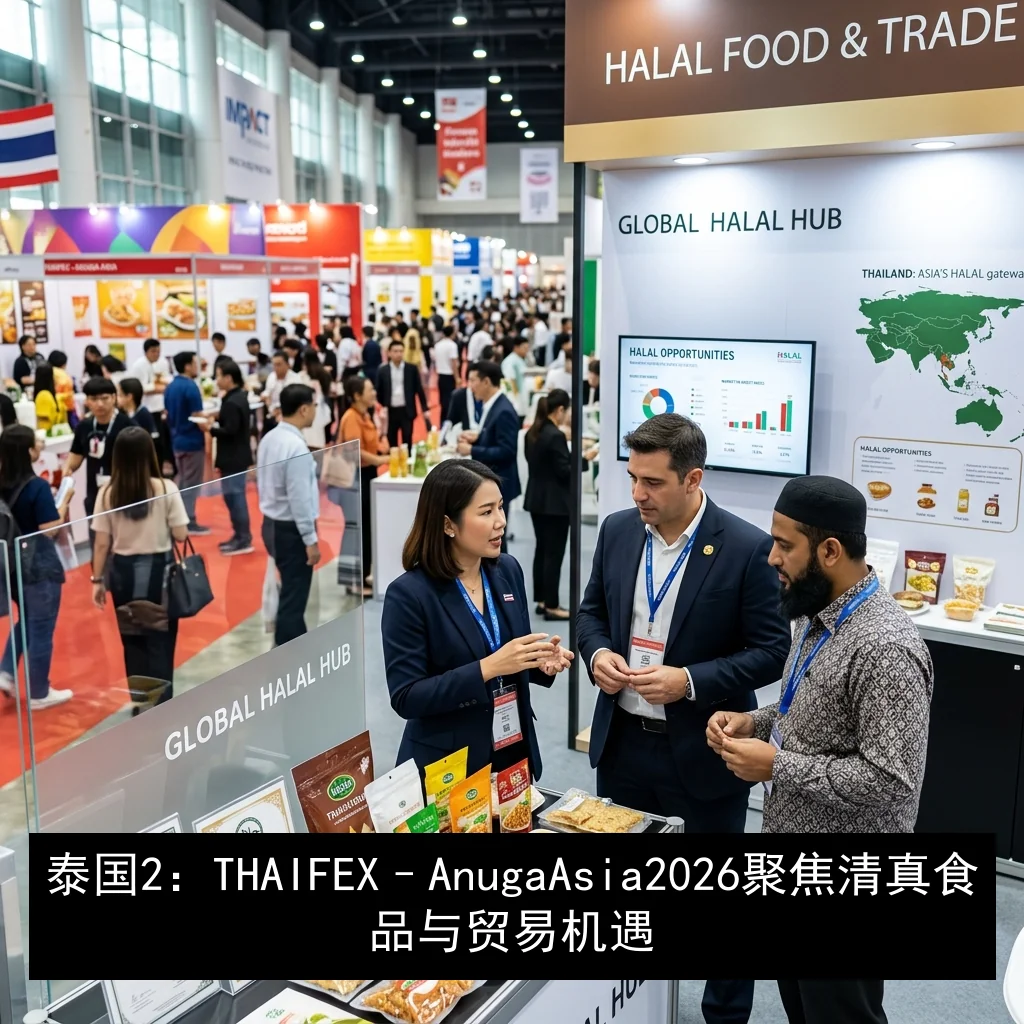
THAIFEX – Anuga Asia 2026 spotlights halal food trade and Thailand market opportunities
At THAIFEX – Anuga Asia 2026, held from May 26 to 30, 2026 at IMPACT Muang Thong Thani, halal food was no longer a side act but one of the show's key pillars, reflecting the maturity of the global halal food economy and Thailand's determination to compete in the field.
The event brought together exhibitors from Thailand and 56 countries/regions worldwide. Of about 3,600 exhibitors, halal-related categories ranked among the top two, accounting for 40% of all exhibitors, or about 1,459 companies.
'Halal is very important to the food and beverage industry,' said Wendy Lim, general manager for food and food tech shows at Koelnmesse, one of the event's organizers. 'Most exhibitors and suppliers come from Southeast Asia, and many of them offer halal products; halal and trend development have become inseparable.'
According to DinarStandard's Global Islamic Economy Report 2024/25, the global halal food market is expected to reach about $2.95 trillion. Meanwhile, Muslim spending in the Islamic economy on food, pharmaceuticals, fashion, travel and media totaled $2.43 trillion in 2023 and is forecast to rise to $3.36 trillion by 2028.
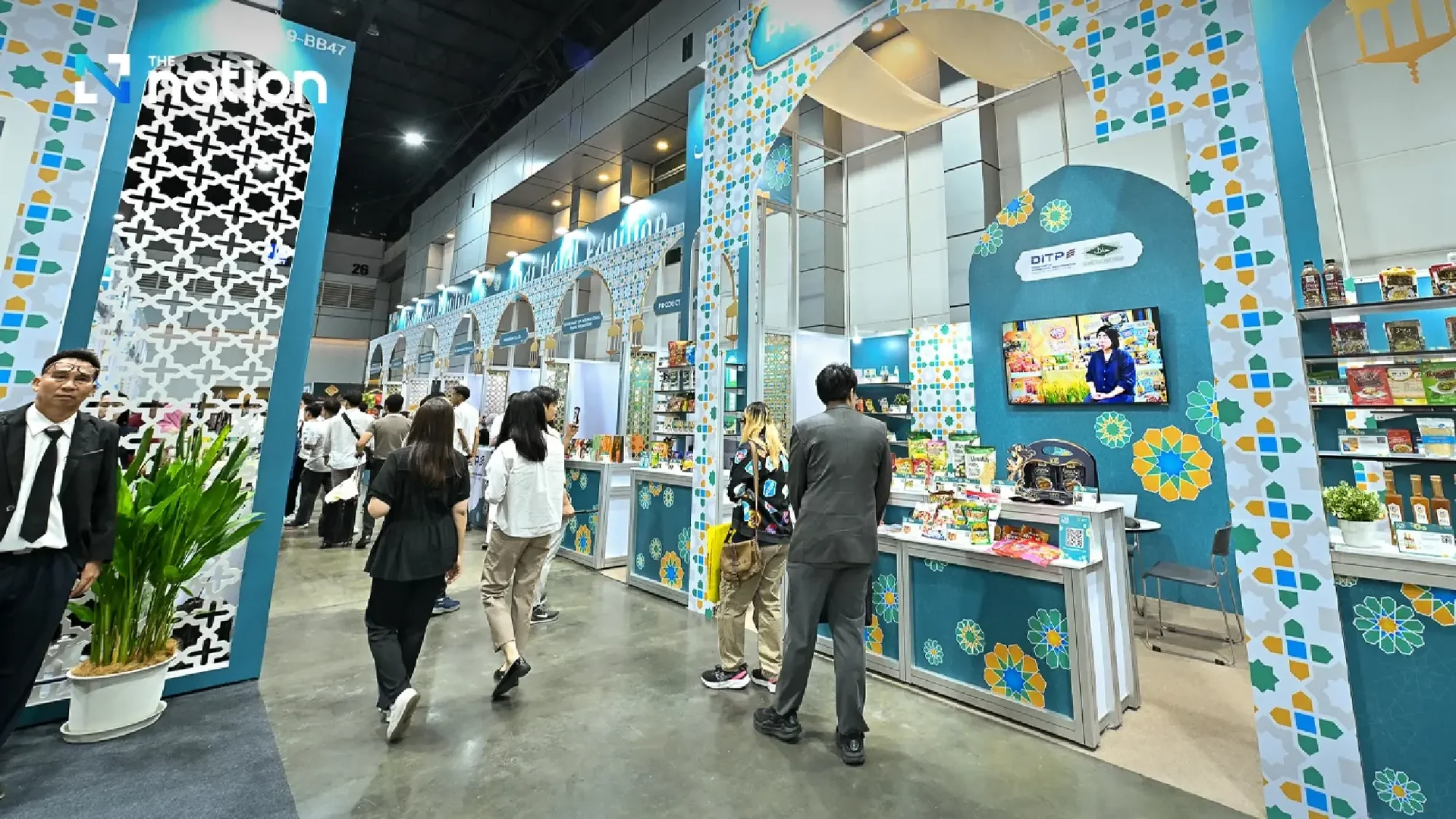
Southern Thai provinces step up: halal pavilion connects international buyers
One of the most strategically important presences on the show floor was the Thailand Halal Food Pavilion, organized by the Halal Food Division under the Office of Agricultural and Industrial Trade Promotion.
The pavilion offered a dedicated platform for 19 halal food and beverage companies from five southern border provinces: Songkhla, Satun, Pattani, Yala and Narathiwat. Its goal is to connect local businesses with international buyers and align them with global market standards.
The products on display were clearly diverse, ranging from processed fruit products, ready-to-eat meals, bird's nest drinks, curry paste, Southern Thai milk tea powder and baked grain snacks to more novel items such as cane-braised mackerel and mushroom rice seasoning.
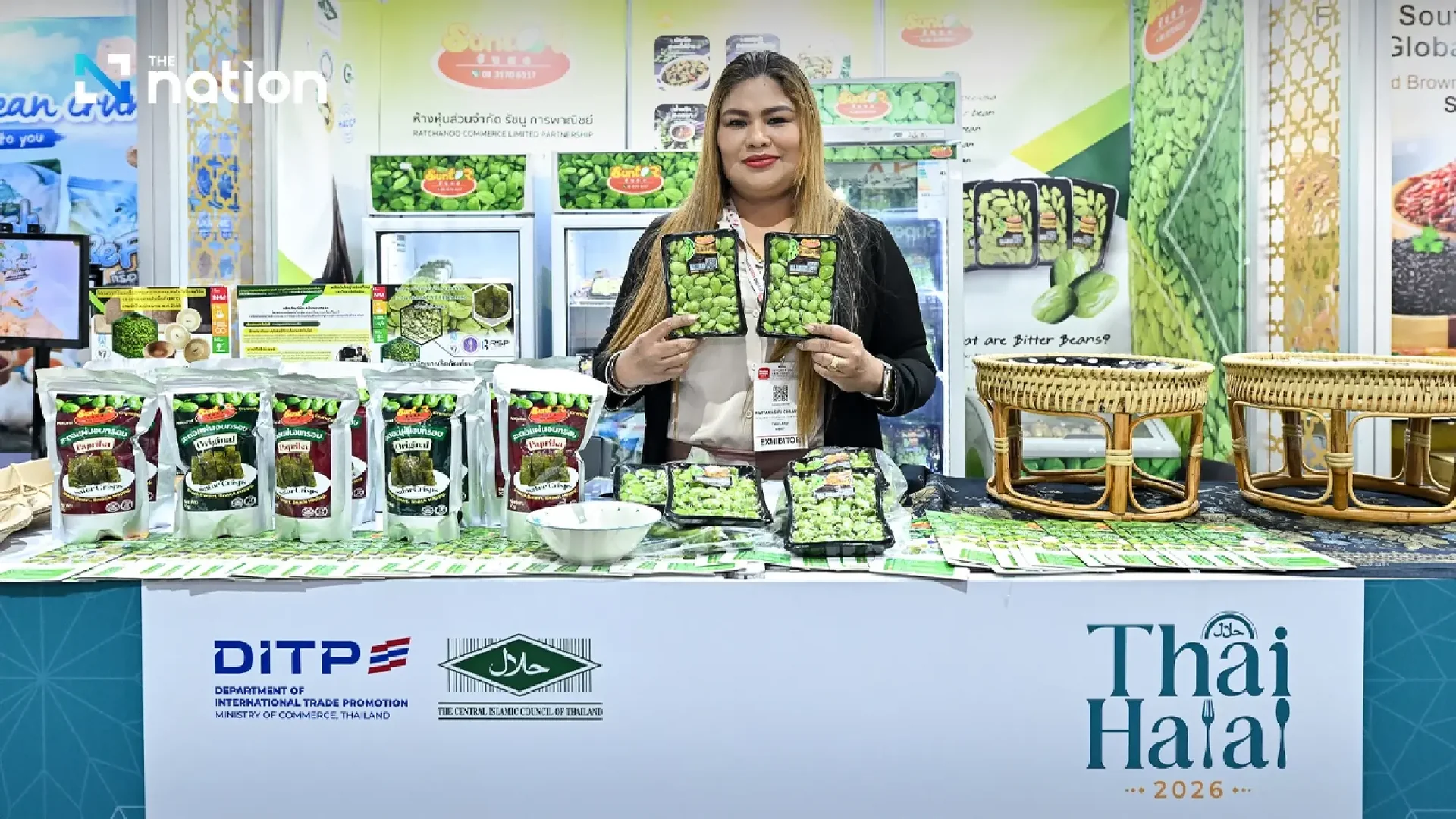
A cooking show led by four halal chefs drew steady traffic, showcasing creative menus and demonstrating the commercial potential of Thai halal cuisine in product development and value creation.
The Central Islamic Council of Thailand also set up a dedicated booth to advise on halal certification registration, reflecting that for smaller producers, certification is still one of the most critical steps toward international trade.
Five trends in the 2026 halal food market: from 'certification' to 'system'
The show's halal story was not only about scale but also greater complexity. Industry analysts believe the halal food and beverage sector in 2026 is being reshaped by five trends.
Conscious Halal: sometimes called 'halal-proof', it puts transparency first and requires brands to show the full farm-to-table supply chain rather than just display certification marks.
Health-Led Halal: responding to rising lifestyle diseases in majority-Muslim markets, it is driving low-sugar, organic and functional products, in line with the Islamic concept of Tayyib, meaning pure, healthy and ethical.
Mainstream inclusiveness: halal products are increasingly appearing on restaurant menus and retail shelves alongside vegetarian or gluten-free options, attracting non-Muslim consumers. Many consumers associate halal certification with hygiene, ethical sourcing and quality control.
For Thailand, growth in high-spending tourists from the Middle East is also adding momentum to the halal economy, prompting local food brands to adjust menus while maintaining strict certification standards.
Hyper-convenience: urbanization and a fast-paced lifestyle are driving demand for ready-to-eat and delivery-friendly halal meals.
These changes were visible on the show floor. The halal pavilion in Hall 9 was one of the most popular areas on opening day, with visitors from multiple countries sampling products and exploring business opportunities.
In addition, the Macau pavilion prominently displayed halal logos, showing that certification influence has moved far beyond the traditional geographic core.
Competition and cooperation go hand in hand: Malaysian delegation and standards consensus
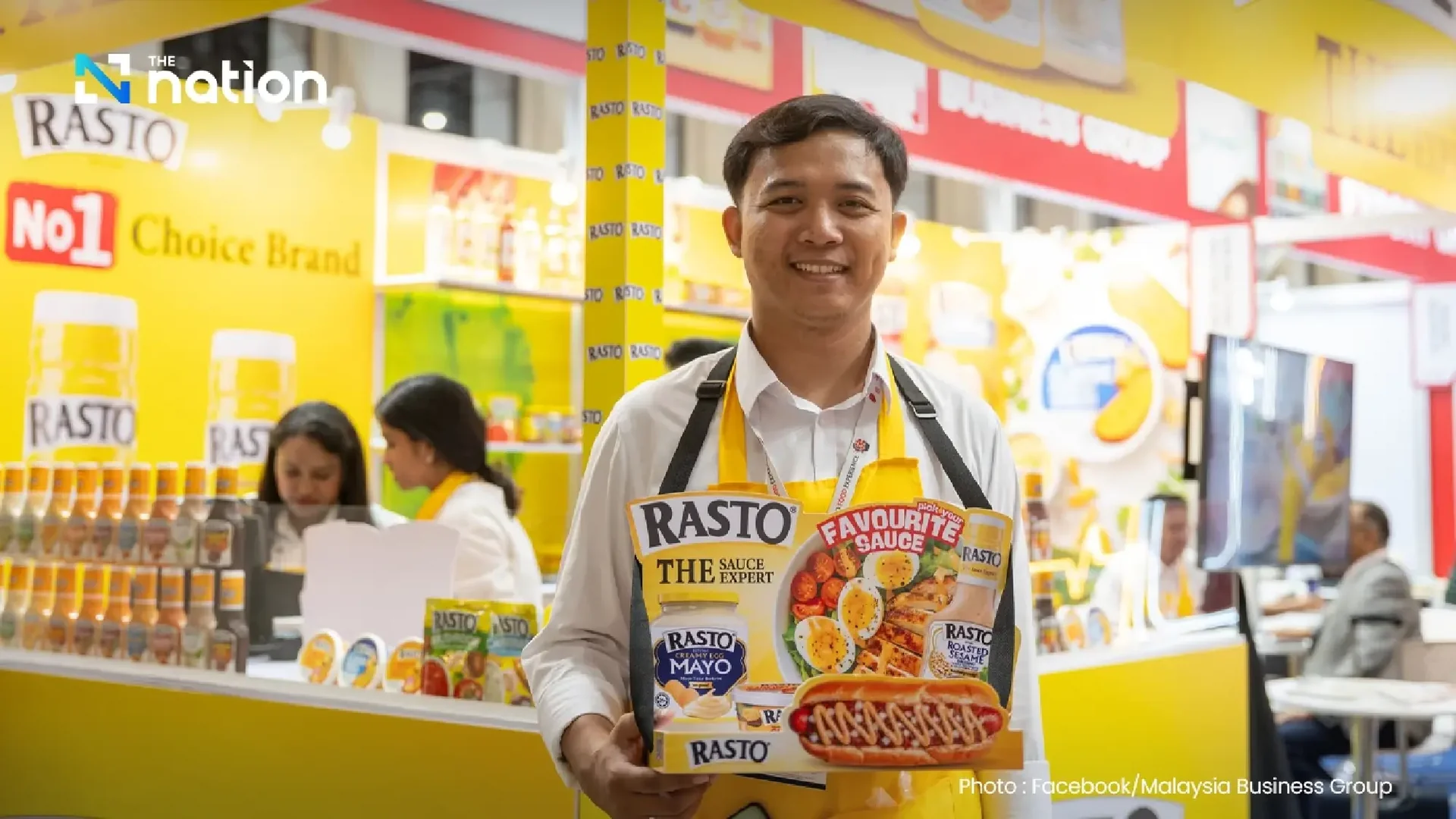
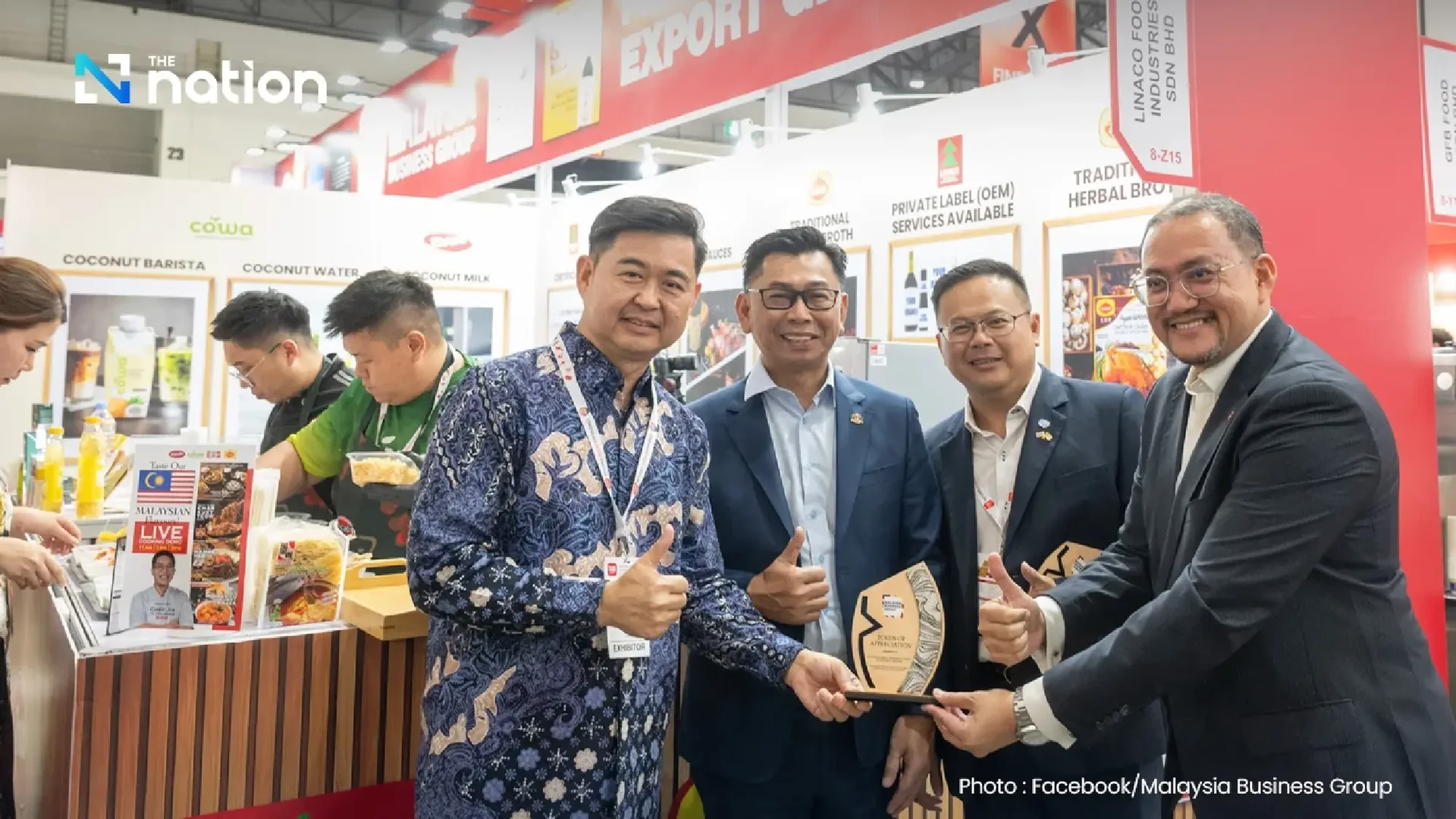
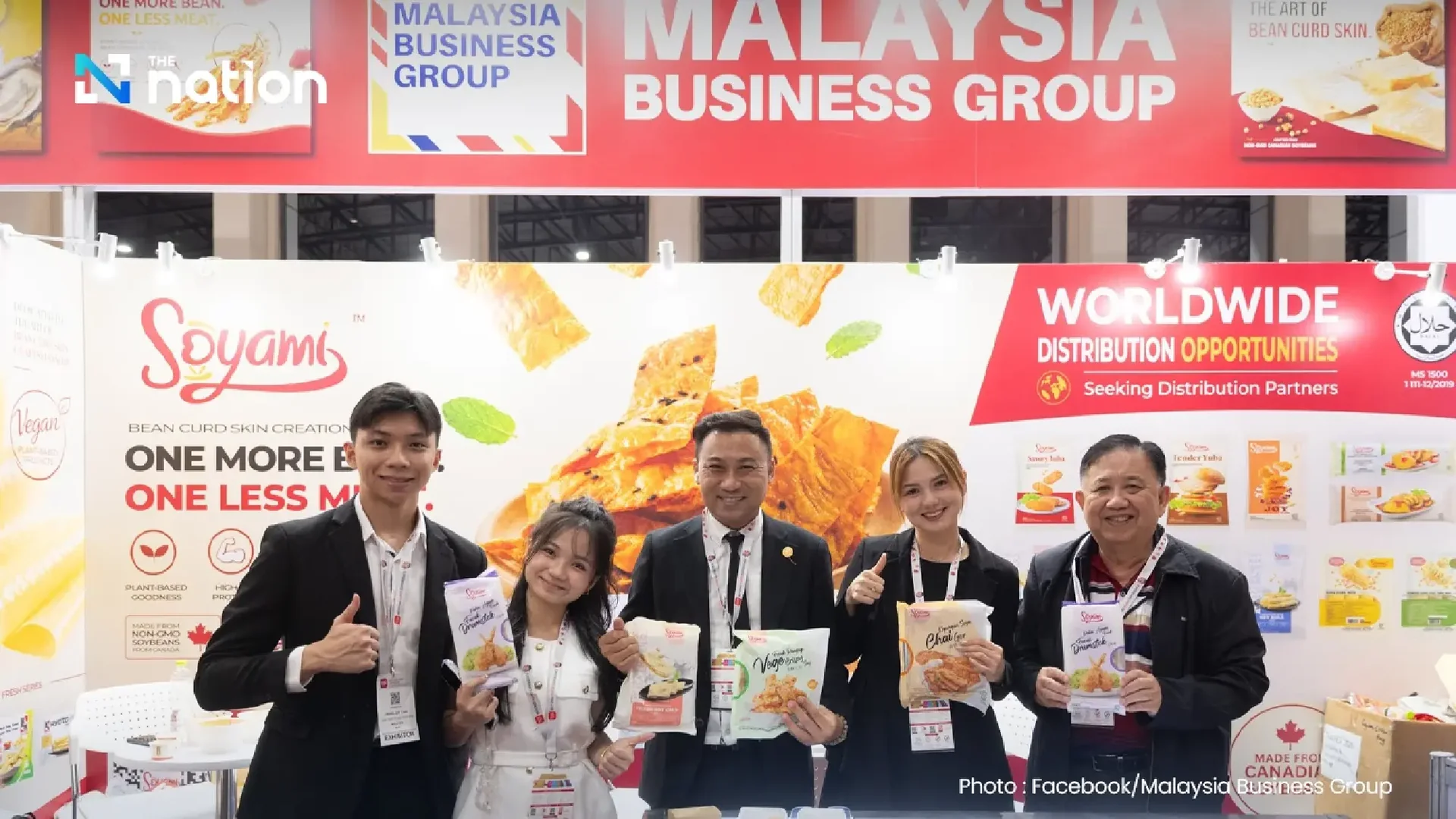
Thailand is not the only country that recognizes the commercial importance of halal. Malaysia sent 159 companies to THAIFEX – Anuga Asia 2026, covering processed foods, halal-certified products, frozen and ready-to-eat meals, health and wellness products, and food technology, making it one of the largest national delegations at the event.
Malaysian ambassador to Thailand Dato' Wan Zaidi Wan Abdullah said bilateral trade ties are a strategic priority. He noted that total trade between the two countries rose 28.5% year on year in Q1 2026 to $7.9 billion.
Malaysia used the show to promote MIHAS 2026. MIHAS will be held in Kuala Lumpur from September 23 to 26, 2026, and is billed as the world's largest halal trade show; organizers expect about $1.13 billion in trade value through AI-driven business matching and smart trade facilitation tools.
Although competition exists among Southeast Asian halal producers, it is more complementary than purely adversarial. The region's supply chains are deeply integrated, and continued growth in the global halal market means the market is far larger than any single country can cover, leaving room for multiple players to expand at the same time.
Standards, trust and the road ahead: THAIFEX's value lies in alignment and cross-border ties
Despite strong momentum, the halal industry still faces structural challenges. Differences in certification standards across markets make export compliance harder; at the same time, building a robust halal supply chain requires ongoing investment in logistics, R&D and expertise.
These constraints also make shows like THAIFEX – Anuga Asia especially important. It is not only a trading venue, but also a place for certification bodies, producers, buyers and policymakers to align standards and build cross-border relationships, which are the foundation of credible and scalable halal business.
For Thailand, the message of this year's show is clear: the Thai halal food industry, built on the cultural and agricultural strengths of its southern provinces, is ready to be taken seriously on the world stage.

